10 Oct 2026
Decoding Altitude Effects on Endurance Metrics in Mountain Venue Wagers
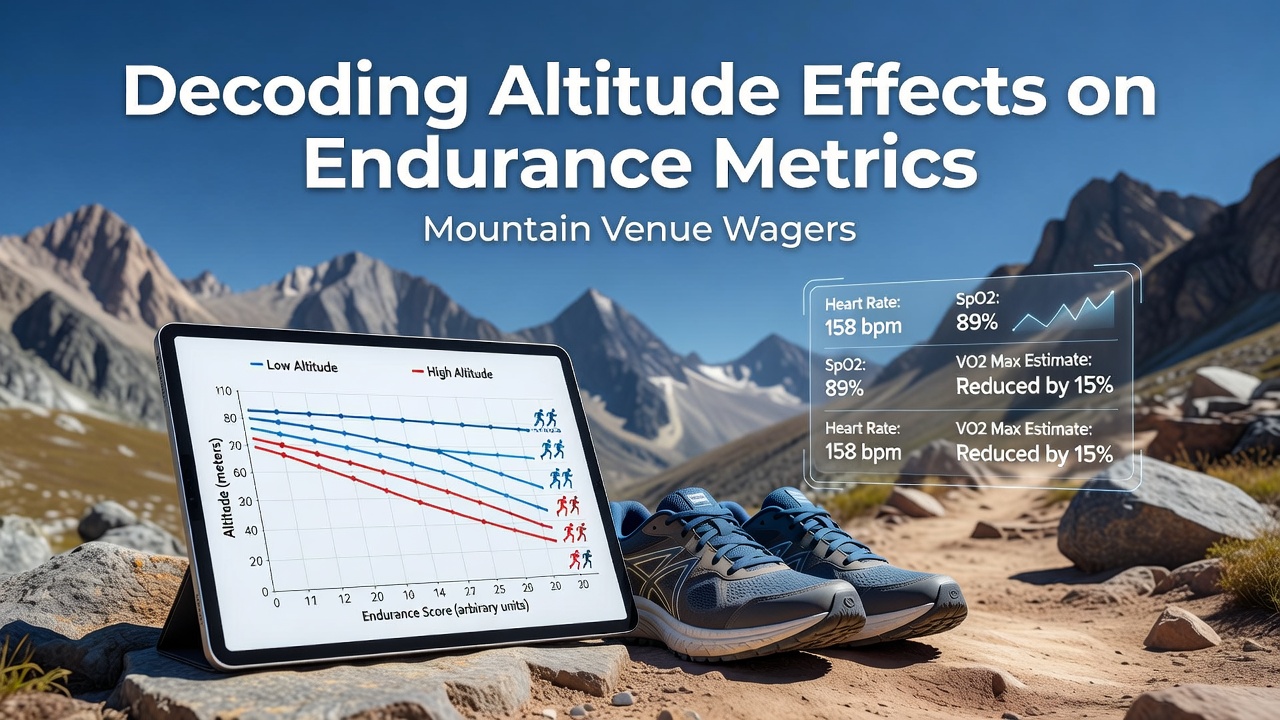
High altitude venues create distinct challenges for endurance athletes because reduced oxygen availability directly alters physiological responses during prolonged exertion, and these changes produce measurable impacts on performance metrics that influence wagering outcomes in mountain-based competitions. Researchers have documented how partial pressure of oxygen drops significantly above 1500 meters, leading to lower arterial oxygen saturation levels that force the body to increase heart rate and ventilation rates to maintain energy output, while data from multiple studies shows that endurance capacity declines by roughly 7 to 10 percent for every 1000 meters gained in elevation when athletes lack sufficient acclimatization time.
Physiological Mechanisms at Play
The body responds to thinner air through a cascade of adjustments that begin within hours of arrival yet require days or weeks for full adaptation, and observers note that erythropoietin production rises to boost red blood cell count while mitochondrial efficiency in muscle tissue undergoes temporary suppression. Studies conducted at locations such as the Andes and the Alps reveal that VO2 max, the maximum rate of oxygen consumption, falls by an average of 8 to 12 percent at 2500 meters compared with sea level values, and this reduction compounds during events lasting longer than 30 minutes because glycogen depletion accelerates under hypoxic stress. Those who have analyzed competition results across multiple seasons find that pacing strategies shift noticeably, with athletes often adopting more conservative early efforts that alter expected finish times and scoring margins in endurance disciplines.
Application to Mountain Venue Sports
Cycling stage races and trail running events held in elevated terrain provide clear examples of these effects, whereas soccer matches in cities like La Paz or Quito demonstrate how team endurance metrics, including total distance covered and high-intensity sprint frequency, decrease measurably when squads travel from lower elevations without prior adaptation periods. Data compiled from international federations indicates that visiting teams in high-altitude venues record 15 to 20 percent fewer successful passes in the final 30 minutes of play compared with their home matches at lower altitudes, creating predictable patterns in point spreads and total goals lines. Researchers at institutions across North America and Europe have tracked similar trends in cross-country skiing and biathlon competitions, where heart rate zones shift upward by 10 to 15 beats per minute at equivalent workloads, forcing competitors to manage energy reserves differently throughout the race.
Quantitative Metrics and Historical Patterns
Performance databases maintained by sports science organizations show consistent correlations between elevation gain and finishing time differentials, and one analysis of marathon results from events above 2000 meters found that elite runners experience average slowdowns of 3 to 5 minutes per 10 kilometers when competing without multi-week acclimatization. Figures from endurance cycling grand tours reveal that mountain stages at elevations exceeding 2000 meters produce time gaps between contenders that widen by up to 30 percent compared with flat stages of similar distance, while betting markets have incorporated these patterns into odds adjustments over successive seasons. A study published through the Canadian Sport Institute examined rugby sevens matches played at altitude and reported that repeated sprint ability declined by 12 percent after the first half, altering expected scoring rates in ways that directly affect prop bets on total points and player-specific metrics.
Betting Market Implications
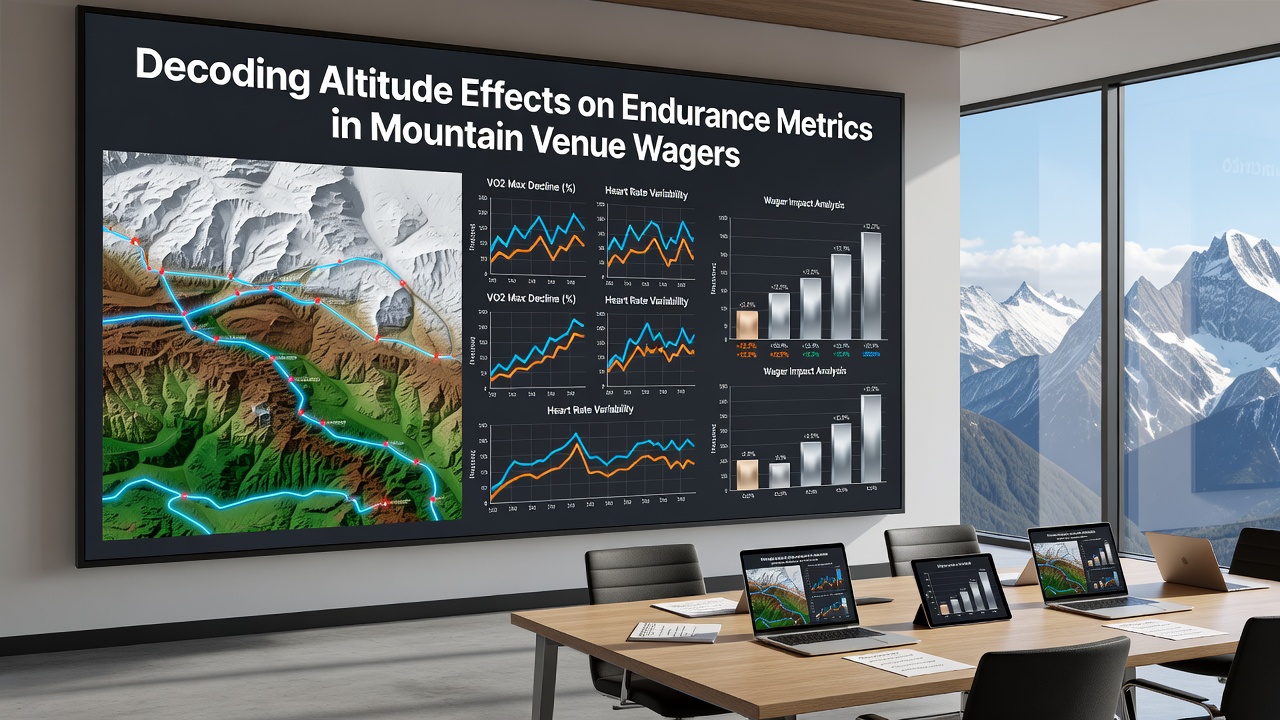
Wagering platforms adjust lines for mountain venue events by incorporating historical altitude performance data, and bettors who examine team travel schedules alongside elevation profiles can identify value in underdog selections when favored squads arrive with limited preparation time. Records from leagues operating in the Andes and the Rockies demonstrate that home teams maintain higher average possession percentages and shot accuracy in the latter stages of matches, outcomes that translate into favorable results for totals and handicap markets when elevation exceeds 2500 meters. According to findings released by the Australian Institute of Sport, athletes who complete 10 to 14 days of altitude training prior to competition recover approximately 60 percent of the lost endurance capacity, a variable that sharpens predictive models for upcoming fixtures in October 2026 schedules across multiple mountain circuits.
Additional research from the European College of Sport Science has quantified how sleep quality and hydration status further modulate these altitude responses, showing that even small deviations in fluid intake can magnify performance decrements by another 3 to 5 percent during prolonged efforts. Observers tracking international competition calendars note that federations increasingly publish elevation-specific preparation guidelines, and these documents supply bettors with objective indicators for assessing team readiness in venues such as the Alps, the Pyrenees, and the Rocky Mountains.
Conclusion
Altitude exerts systematic influences on endurance metrics through well-documented physiological pathways that produce repeatable effects on competition outcomes at mountain venues, and quantitative records accumulated over multiple seasons allow for precise integration of these variables into wagering analysis frameworks. Patterns identified in cycling, soccer, running, and winter sports demonstrate that elevation differences alter pacing, recovery rates, and late-stage performance in measurable ways, while acclimatization timelines and training histories provide additional data points for refining predictions. Continued collection of venue-specific statistics supports ongoing refinement of models that connect altitude exposure to betting-relevant metrics across global mountain competitions.